
Why Lawns Die in Utah Summers (And How to Keep Yours Alive)
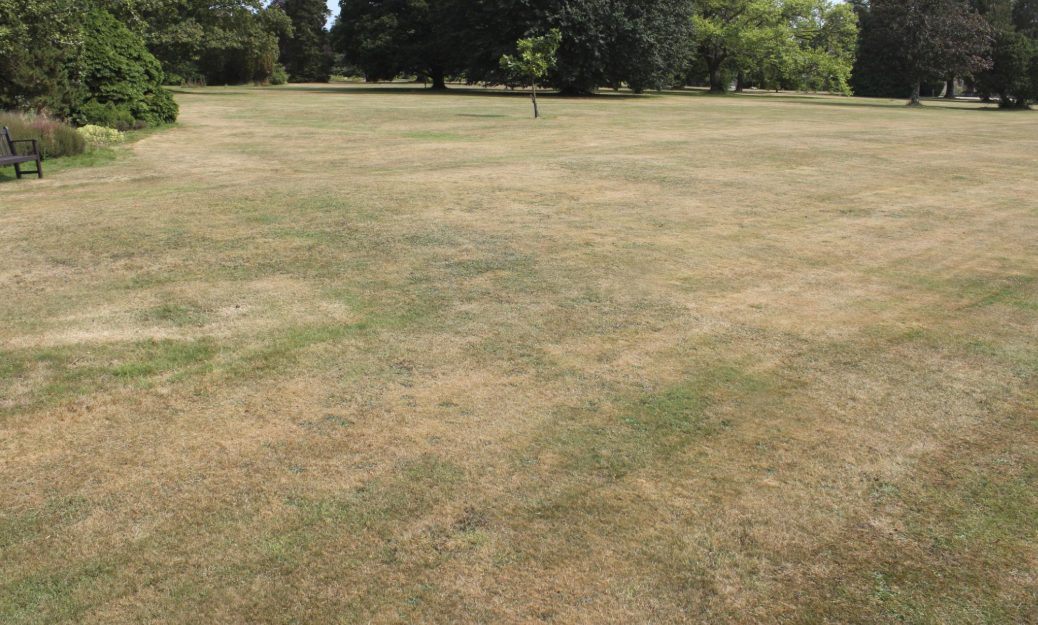
Every summer in Utah County, it happens.
Lawns that looked green and healthy in spring suddenly turn brown, dry, and patchy. Homeowners assume they didn’t water enough—or sometimes that they watered too much.
But the real reason lawns die in Utah summers is more specific than that.
It’s not just heat. It’s a combination of factors that most people don’t fully understand.
1. Watering at the Wrong Time
A lot of homeowners are watering—but they’re doing it at the wrong time.
When you water in the middle of the day, most of that water evaporates before it ever reaches the roots. When you water late at night, the moisture sits too long and can lead to disease.
What actually works:
Water early morning (before 10 AM)
Deep, less frequent watering instead of short daily bursts
Make sure water is reaching the root zone—not just the surface
If you think sprinklers are the problem click the link below to learn about how we diagnose and solve sprinkler issues!
2. Shallow Root Systems
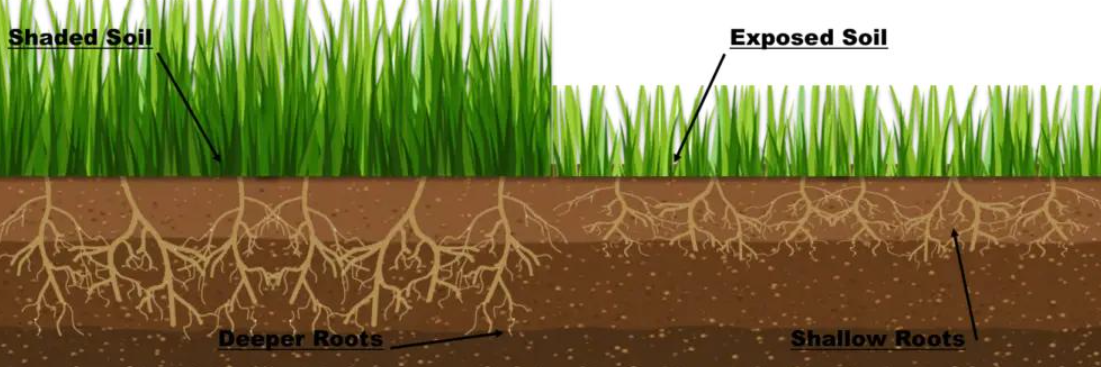
Most lawns in Utah County don’t have strong root systems.
Why? Because they’ve been trained to survive on frequent, light watering.
That creates shallow roots that sit near the surface—where the heat hits hardest.
So when summer temperatures spike, the grass can’t access deeper moisture… and it dies quickly.
What actually works:
Deep watering to encourage deeper roots
Aeration to break up compacted Utah soil
Consistent maintenance to build long-term lawn health
3. Compacted, Clay-Heavy Soil
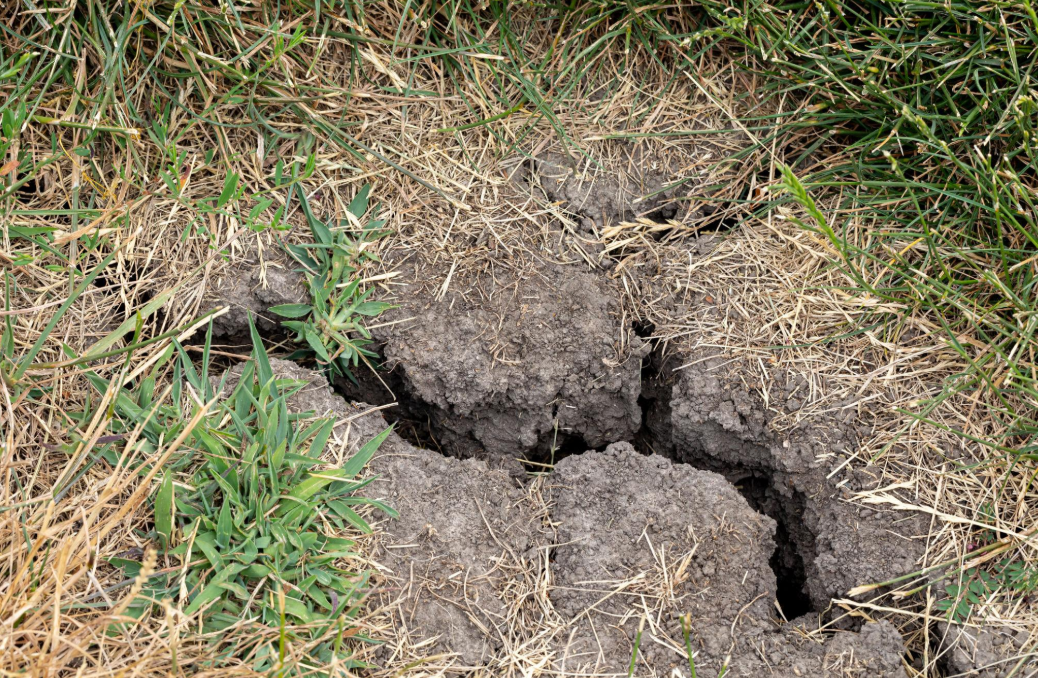
Utah County soil is tough.
It’s often clay-heavy and compacted, which creates two major problems:
Water doesn’t soak in properly
Roots can’t grow deep
That means even if you’re watering correctly, your lawn might not actually be getting what it needs.
What actually works:
Core aeration to open up the soil
Proper irrigation adjustments
Ongoing maintenance to improve soil structure over time
4. Heat Stress + Sun Exposure
Utah summers are intense.
High temperatures, low humidity, and constant sun exposure put serious stress on your lawn—especially in areas with no shade.
Even healthy grass can struggle if it’s not maintained properly during peak heat.
Signs of heat stress:
Grass turning dull green or bluish
Footprints staying visible after walking
Dry, brittle blades
5. Inconsistent Maintenance
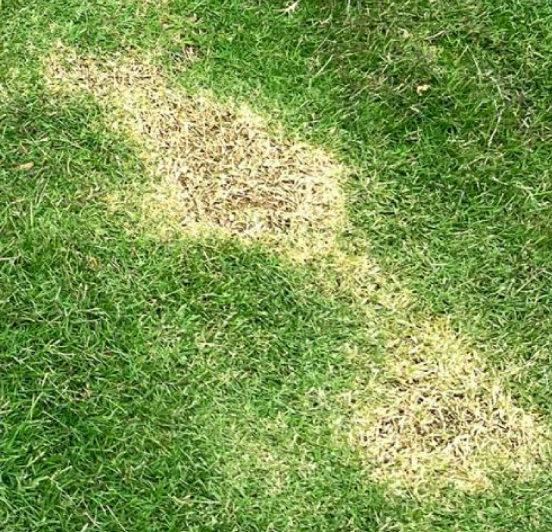
This is the hidden one.
A lot of lawns don’t die from one big mistake—they decline from inconsistent care.
Things like:
Mowing too short (scalping)
Letting grass overgrow, then cutting it too aggressively
Skipping regular maintenance
All of these weaken the lawn right before the hottest part of the year.
Why This Happens So Often in Utah County
Utah’s environment makes lawn care less forgiving:
Hot, dry summers
Limited rainfall
Clay-heavy soil conditions
High sun exposure
That means small mistakes turn into major problems fast.
The Real Solution (What Actually Keeps Lawns Alive)
Keeping your lawn alive in Utah summer isn’t about one fix—it’s about doing everything right, consistently:
Proper sprinkler timing and coverage
Deep watering schedules
Healthy mowing practices
Soil improvement (like aeration)
Ongoing maintenance
That’s exactly why most homeowners struggle to keep up.
A Better Option for Busy Homeowners
For most people, the issue isn’t knowing what to do—it’s having the time to do it consistently and correctly.
That’s why we offer lawn mowing + maintenance packages designed specifically for Utah County lawns.
We keep everything dialed in:
Proper mowing height (no scalping)
Consistent schedule so your lawn stays healthy
Early identification of issues before they turn into damage
Support with sprinkler systems and lawn health
So instead of reacting when your lawn starts dying… it stays green all summer.
